

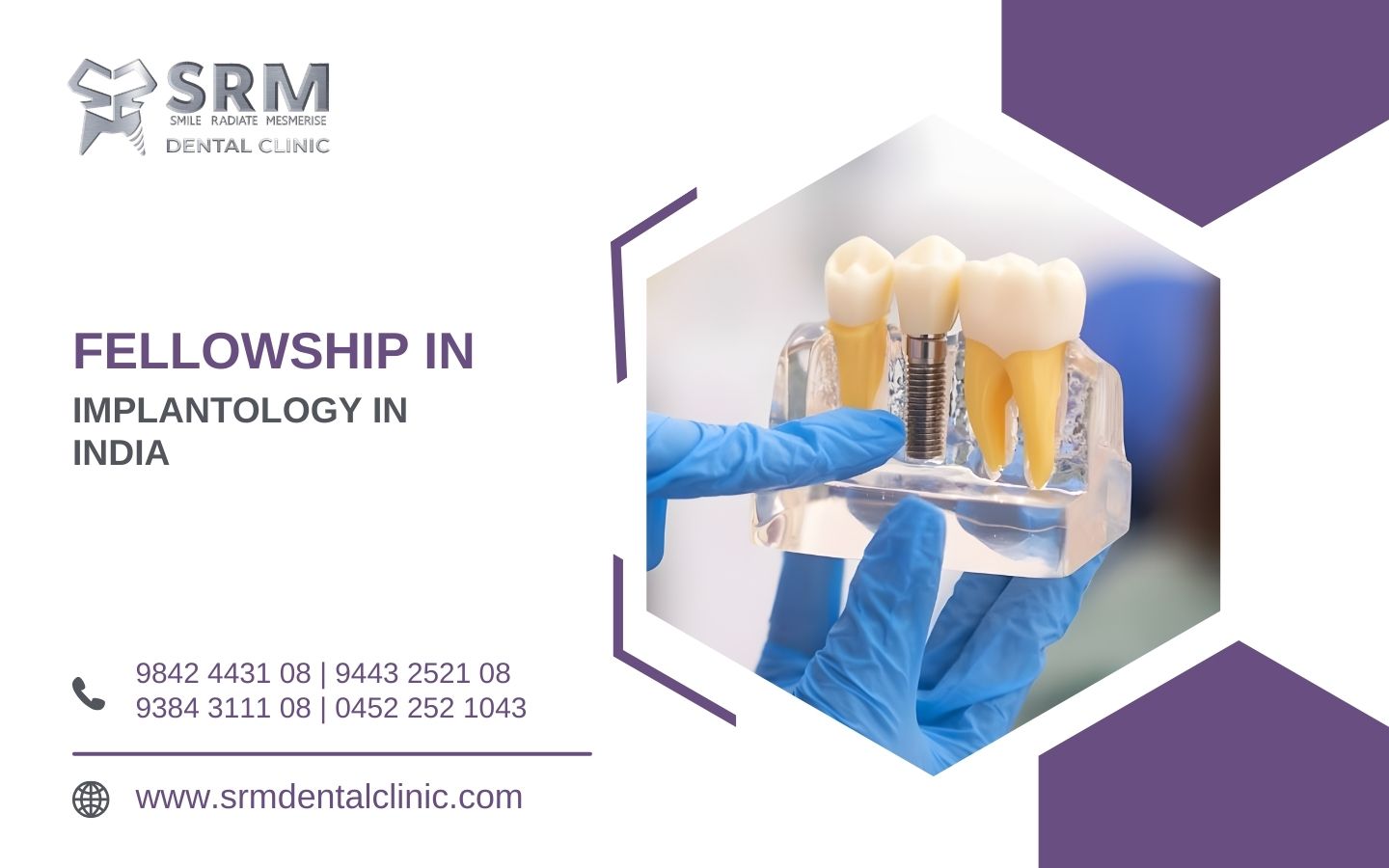
Dentistry doesn’t stand still. What you learned in college is a foundation, not the finish line. And if you’ve been practicing for a few years, you’ve probably noticed one thing very clearly. Patients ask about dental implants more than ever before. Not just what they are, but whether you can place them.
That moment usually sparks a bigger question in a dentist’s mind.
Should I upskill?
Should I formally train in implantology?
And if yes, what does a Fellowship in Implantology in India actually involve?
This guide exists for that exact phase. The in-between moment. When you’re not unsure, but you’re not fully convinced either.
It’s meant to explain what implantology training really looks like, how fellowships are structured, and whether it fits into real clinical practice. No exaggerated promises. Just a clearer picture, so you can decide what makes sense for you.
Why Implantology Has Become a Must-Have Skill
Implants are no longer a “luxury treatment.” They’re becoming the standard option for missing teeth. Patients are better informed, expectations are higher, and referrals often depend on whether a clinic offers implant solutions in-house.
For dentists, implantology offers:
- A chance to expand treatment scope
- Higher case value compared to routine procedures
- Long-term patient relationships
- Professional confidence in advanced dentistry
But implant placement isn’t something to experiment with. It demands structured training, hands-on exposure, and strong clinical judgment.
That’s where a fellowship steps in.
What Is a Fellowship in Implantology?
A Fellowship in Implantology is a structured, advanced training program designed for dentists who want to gain clinical competence in dental implant placement and restoration.
Unlike short workshops or weekend courses, a fellowship focuses on:
- Strong theoretical understanding
- Step-by-step clinical protocols
- Case planning and decision-making
- Supervised hands-on experience
- Managing complications and failures
In India, most fellowships are designed to suit practicing dentists, so learning happens alongside regular clinical work.
Who Should Consider This Fellowship?
This program isn’t limited to one type of dentist. It’s suitable for:
- General dental practitioners wanting to expand services
- Recently graduated dentists looking for a focused specialization
- Clinicians referring implant cases but wanting to handle them independently
- Dentists aiming to increase clinical confidence and income
No matter where you are in your career, implantology training adds long-term value if done right.
What You Learn During the Fellowship
While course structures may vary, a comprehensive implantology fellowship typically covers the following areas:
Core Theoretical Foundation
Understanding the “why” behind every step is crucial. Topics usually include:
- Bone biology and healing
- Osseointegration principles
- Implant systems and designs
- Case selection and treatment planning
- Radiographic and CBCT interpretation
Surgical Training
This is where most dentists feel both excited and nervous.
Training focuses on:
- Implant placement protocols
- Flap and flapless techniques
- Single-tooth and multiple-tooth implants
- Immediate vs delayed placement
- Basic grafting concepts
Hands-on exposure under expert supervision is a key part of quality fellowships.
Prosthetic Aspect
Implants don’t end with surgery. Restoration matters just as much.
You’ll learn about:
- Abutment selection
- Impression techniques
- Occlusion in implant dentistry
- Cement-retained vs screw-retained prosthesis
- Long-term maintenance
Complication Management
This is often what separates a trained implantologist from a beginner.
- Handling implant failures
- Managing peri-implantitis
- Case revisions
- Patient communication during complications
Why Hands-On Training Matters More Than Certificates
One of the biggest mistakes dentists make is choosing a program based only on duration or price.
Implantology is a clinical skill, not a theoretical subject.
A good fellowship ensures:
- Live patient exposure
- Mentor-guided procedures
- Stepwise confidence building
- Real-world case discussions
Clinics like SRM Dental Clinic focus on bridging the gap between learning and real practice by emphasizing practical training alongside academics.
Duration and Format of Fellowship in Implantology in India
Most fellowships are designed to fit into a dentist’s schedule.
Common formats include:
- 6 to 12 months duration
- Modular or weekend-based sessions
- Combination of lectures, demos, and live cases
- Mentorship-driven learning
This allows dentists to continue practicing while upgrading their skills.
Career Benefits After Completing the Fellowship
Dentists who complete implantology fellowships often notice changes beyond just clinical skills.
Some common outcomes include:
- Increased treatment acceptance by patients
- Reduced dependency on referrals
- Better confidence during consultations
- Higher professional credibility
- Expanded clinic offerings
Implantology doesn’t just add a procedure. It changes how dentists approach comprehensive treatment planning.
Choosing the Right Fellowship Program
Not all programs are created equal. Before enrolling, it’s worth asking a few important questions:
- Does the course include real patient cases?
- Who are the mentors, and what’s their clinical background?
- Is the learning structured or rushed?
- What kind of post-course support is offered?
At SRM Dental Clinic, our program focuses on developing long-term skills and expertise rather than just quick certification. We prioritize comprehensive training and hands-on experience to ensure our graduates excel in their dental careers.
FAQs
1. Is a fellowship in implantology recognized in India?
Most implantology fellowships are certificate-based programs designed for skill enhancement rather than academic degrees. While they may not replace formal MDS qualifications, they are widely accepted within the dental community for clinical practice. The key lies in the quality of training rather than the title alone.
2. Can a general dentist place implants after completing a fellowship?
Yes, many general dentists successfully place implants after structured training. A fellowship equips dentists with the required knowledge, hands-on experience, and clinical judgment. However, continuous learning and case selection remain important for long-term success.
3. How soon can I start implant cases after completing the fellowship?
This depends on the depth of hands-on exposure during training. Dentists who have assisted and placed implants under supervision often feel confident starting simple cases soon after completion. Complex cases should still be approached gradually with mentorship or referrals when needed.
4. Is a fellowship in implantology worth it for general dentists?
Yes, especially for dentists who want to expand beyond basic restorative work. A fellowship gives hands-on exposure, not just theory, which helps build confidence in real implant cases. It also allows general dentists to offer advanced treatments without referring patients elsewhere.
5. Can a fellowship in implantology really change a general dentist’s practice?
For many dentists, yes, it’s a turning point. Implant dentistry opens doors to treatments that go beyond routine fillings and crowns, which naturally changes how patients see you. More importantly, the fellowship helps bridge the gap between knowing the theory and actually feeling confident enough to handle implant cases chairside.
Moving Beyond Basics
Implantology is no longer a niche skill. It’s becoming an essential part of modern dental practice. A Fellowship in Implantology in India offers dentists a structured, practical pathway to grow clinically and professionally.
When done through a well-designed program like the one offered at SRM Dental Clinic, it becomes more than a course. It becomes a turning point in a dentist’s career.
If implant dentistry is something you’ve been curious about, this might be the step that finally turns curiosity into confidence.